

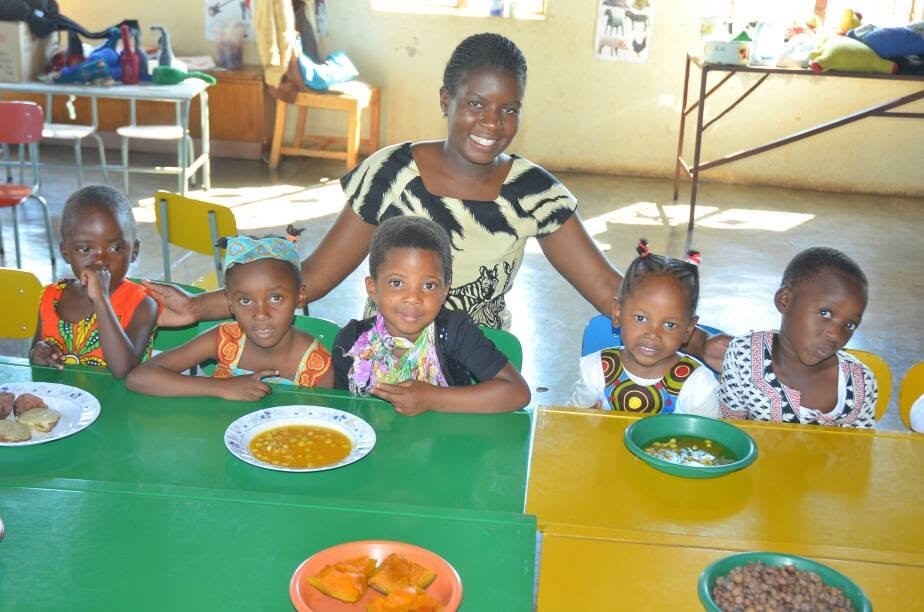
Helping Shy Kids Make Friends at School
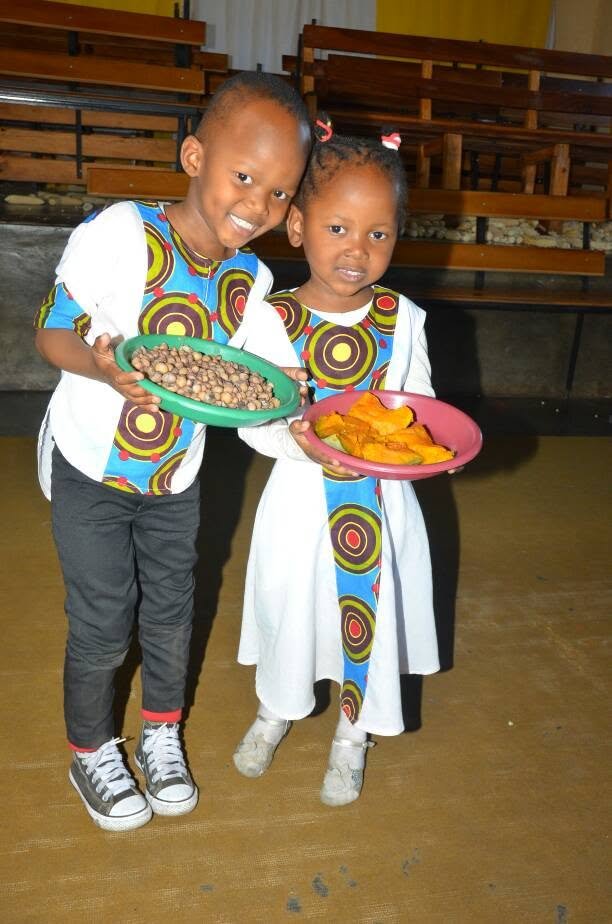
Starting preschool or nursery school is a massive milestone in a young child’s life. For many children, walking into a classroom filled with laughing, running peers is an exciting adventure. But for others, it can feel completely overwhelming.
If your little one tends to cling to your leg at morning drop-off, stands quietly on the edge of the playground, or watches others play rather than joining in, you might worry about how they will navigate the social world.
First, take a deep breath: Shyness is completely normal. Shyness is not a flaw; it is simply a gentle personality trait that means your child observes deeply, thinks carefully, and prefers to warm up to new situations at their own pace.
At Morning Star Nursery and Pre-School, our social and emotional development curriculum is explicitly designed to support, protect, and empower our quieter stars. Guided by our compassionate counseling approach, we have put together a few practical, loving ways you can work hand-in-hand with our teachers to help your shy child build beautiful, lasting friendships.
1. Practice “Playground Scripting” at Home
Shy children often want to play with others, but they simply don’t know what words to use to bridge the gap. You can ease this anxiety by roleplaying simple social interactions at home using their favorite toys or stuffed animals.
The Strategy: Teach your child short, confident, easy-to-remember phrases. Practice saying them out loud together.
- Phrases to try:
- “Hello, my name is [Name]. Can I play with you?”
- “That looks fun! Can I have a turn when you are finished?”
- The ECD Benefit: Giving your child an exact script removes the mental roadblock of fear, allowing them to step into a game with quiet confidence.
2. Arrange Low-Pressure, One-on-One Playdates
Large groups can feel loud and intimidating to a quieter child. It is much easier for a shy learner to form a bond when they only have to focus on one peer at a time.
- The Strategy: Ask your child’s teacher which classmate your little one tends to drift toward or look at during circle time. Invite that classmate over for a short, structured playdate (1 to 2 hours maximum) at your home or a familiar local park.
- The ECD Benefit: Building a strong connection with just one classmate gives your child a familiar, safe harbor. When they arrive at school the next morning, knowing they have a specific friend waiting for them completely changes their emotional security.
3. Focus on Side-by-Side (Parallel) Play
For an introverted child, jumping straight into an active game of tag can be terrifying. Shy children naturally prefer parallel play—sitting near another child and working on a similar activity without direct, intense face-to-face pressure.
- The Strategy: Encourage activities that don’t require heavy talking right away. Think of drawing, building with puzzles, modeling clay, or helping out in our Morning Star School Garden.
- The ECD Benefit: Sitting side-by-side allows children to share space, exchange tools (like passing a crayon or a watering can), and get comfortable with each other’s presence completely naturally.
4. Avoid Forcing or Labeling
When we are anxious for our children to socialize, it is easy to accidentally push them too hard or speak for them. Saying things like, “Don’t be shy, go dance with them!” or telling another parent, “Oh, he is just shy,” can inadvertently make a child feel like something is wrong with them.
- The Strategy: Validate their feelings gently. Try saying, “It’s okay to just watch for a little bit until you’re ready.” Praise their small victories when they do interact: “I loved how beautifully you smiled and said hello to Gogo today!”
- The ECD Benefit: When a child feels unconditionally accepted for who they are, their internal emotional defense walls come down, making them more willing to venture out when they feel secure.
You are never alone in this journey. Within our classrooms and playgrounds, our educators use intentional strategies to ensure no child is left isolated:
- The “Peace Bench” & Buddy System: We pair our quieter learners with warm, empathetic peers for classroom tasks like sorting shapes or computer literacy time.
- Inclusive Circle Games: Our daily routines include cooperative group activities—like our yarn-spinning “Friendship Webs”—where every single child is given a structured, celebrated turn to participate without pressure.
- Leadership Grounded in Care: With our deep organizational roots in counseling and theology, we treat your child’s emotional well-being as a top priority. We closely monitor playground dynamics to gently invite quiet children into activities at a pace that respects their dignity.
Every single star shines with a different brilliance. Some stars light up the sky with a dramatic burst, while others offer a steady, quiet, beautiful glow. Your gentle child has an incredible capacity for deep, loyal, and thoughtful friendship. With patience, continuous encouragement, and the supportive environment we cultivate here in Emganwini, they will blossom beautifully in their own perfect time.