

10 Fun Ways Kids Learn Through Play

10 Fun Ways Kids Learn Through Play

To the untrained eye, a preschool classroom looks like a beautifully chaotic room full of games, noise, and messy hands. You might see a child stacking plastic blocks, splashing water in a tub, or making mud pies in the garden and think, “They are having a great time, but when does the actual learning begin?”

Here is the beautiful secret of Early Childhood Development (ECD): For a young child, play is the learning.

Children do not learn best by sitting quietly at desks filling out repetitive worksheets. Their brains are wired to explore, touch, experiment, and solve puzzles through active, joyful discovery. Play is the hard work of childhood—it is the engine that drives cognitive brain growth, physical coordination, and emotional resilience.

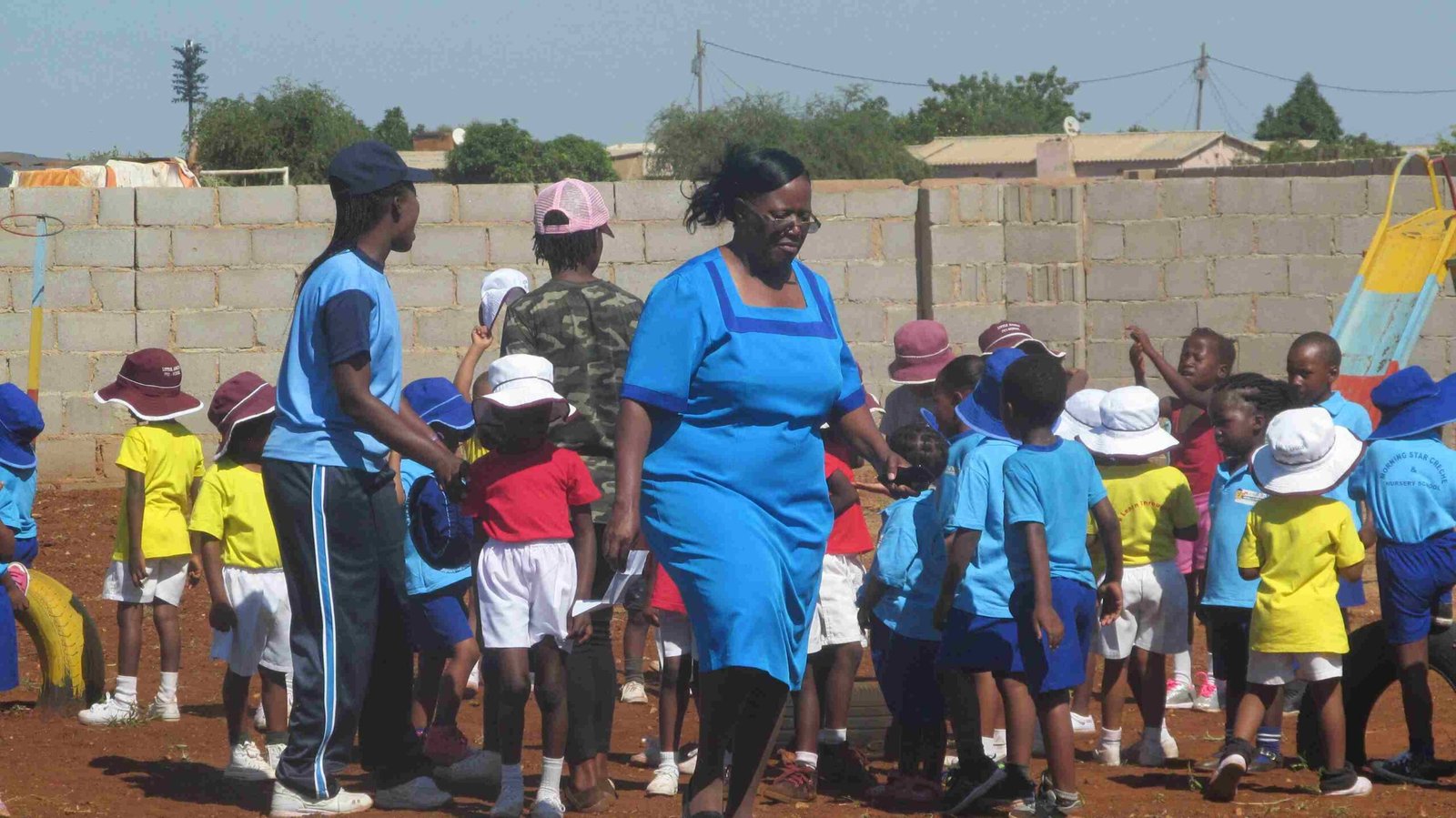
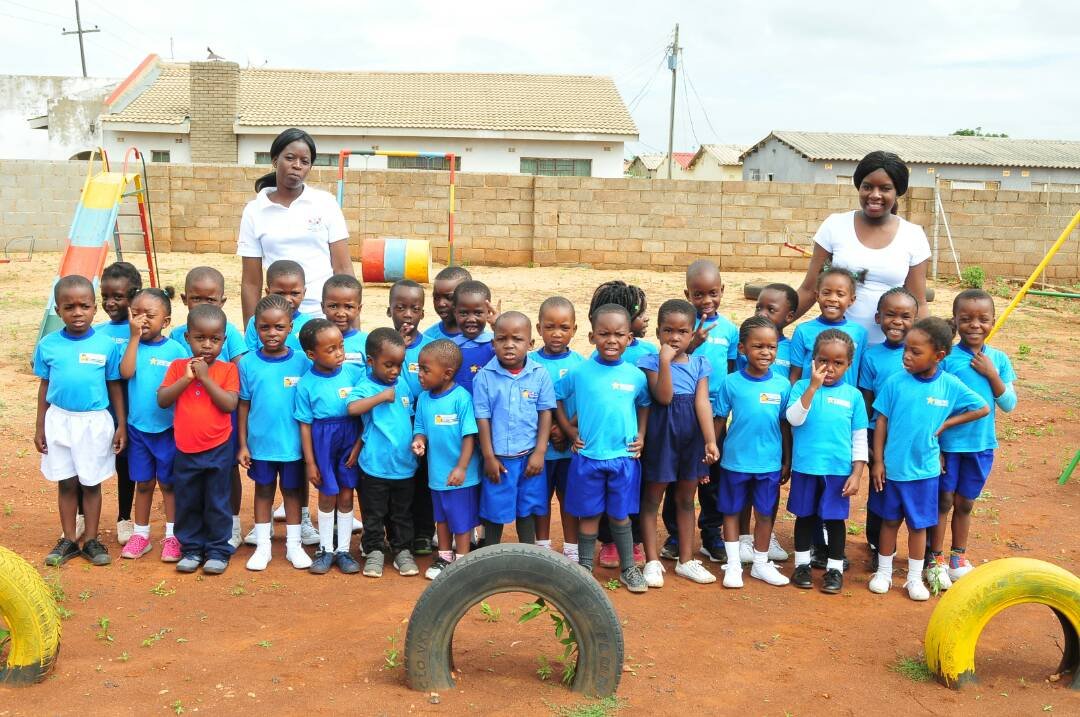
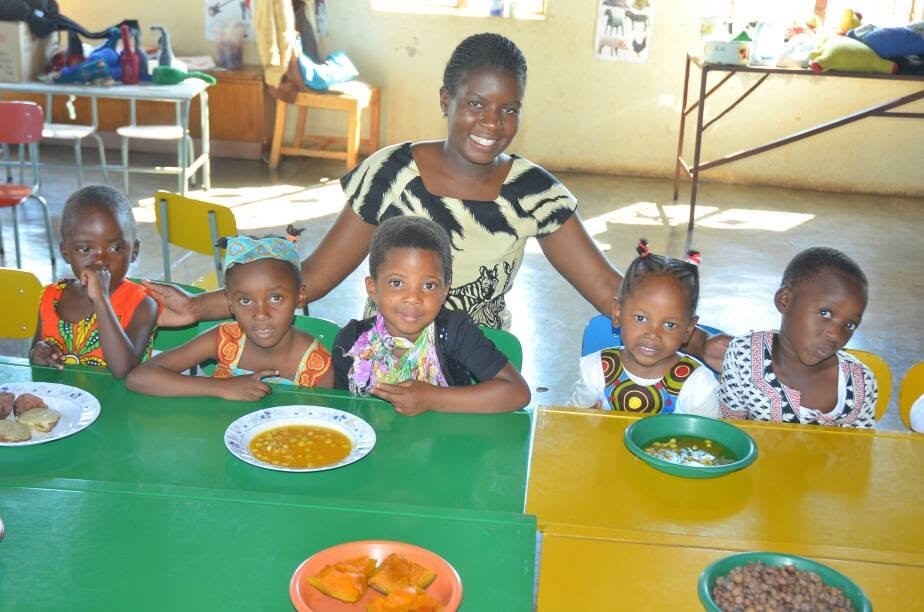
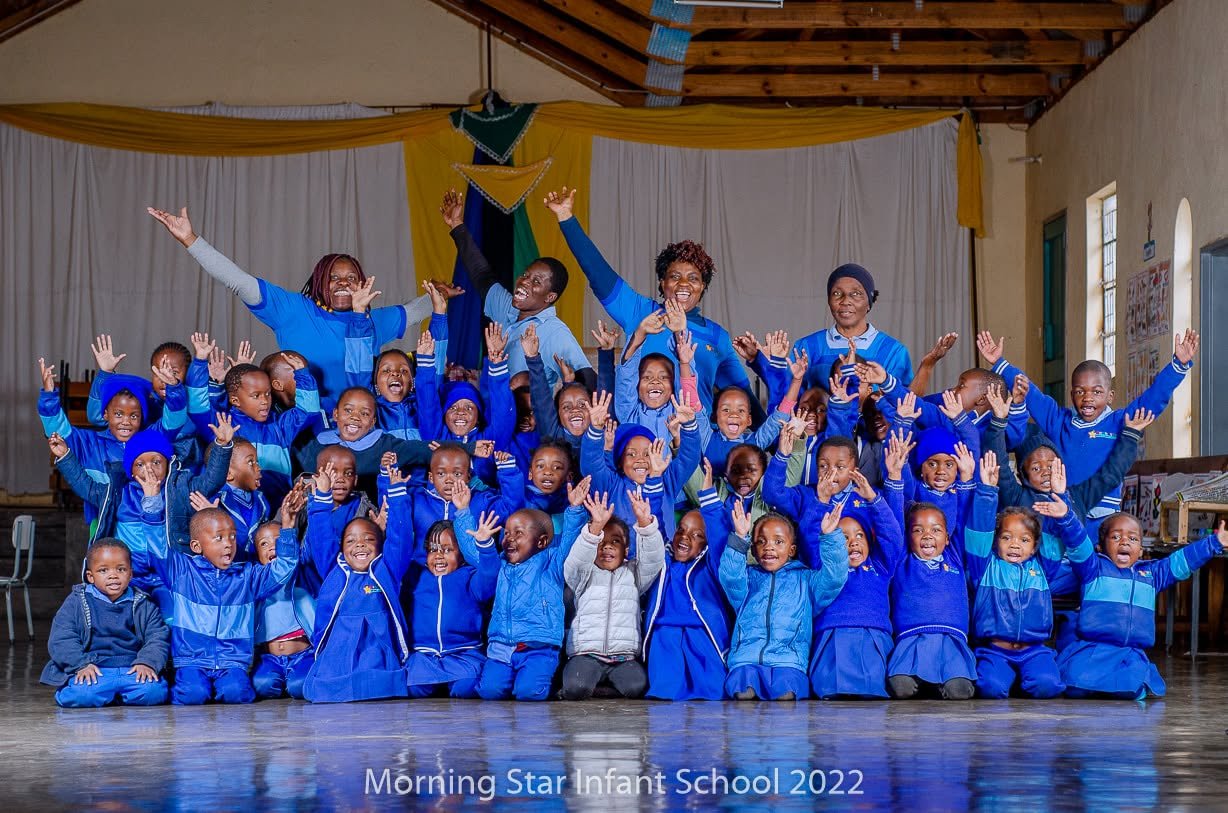
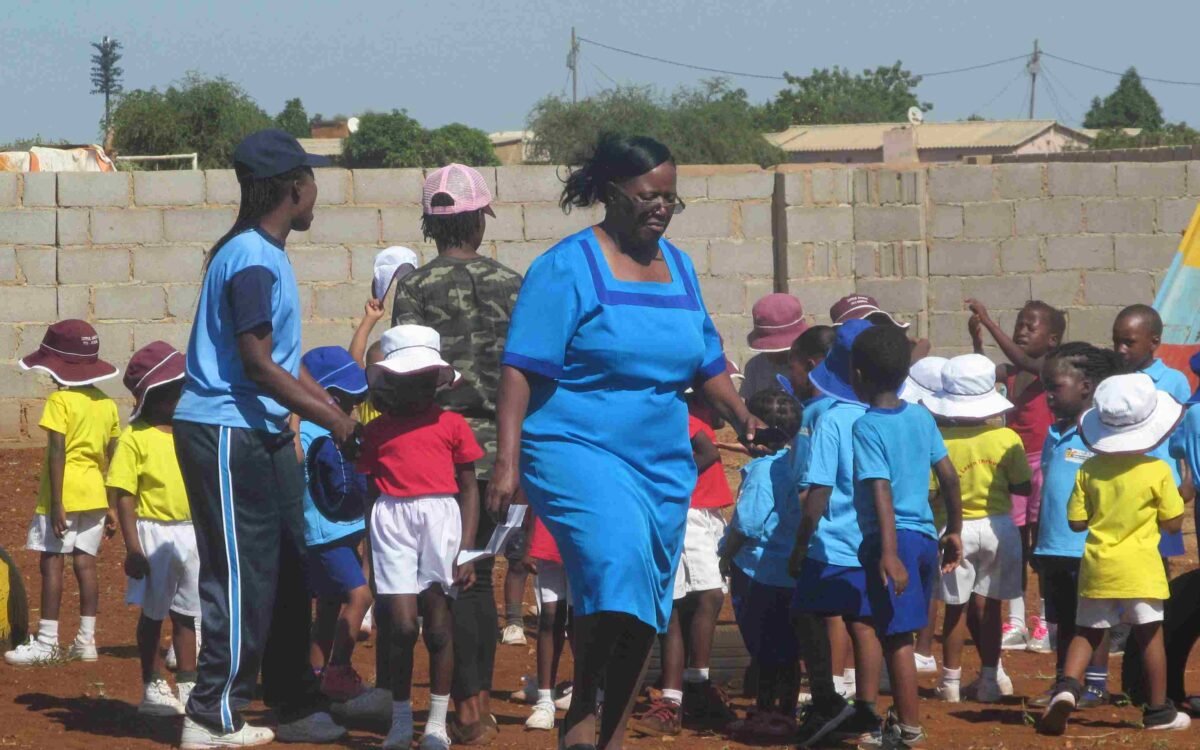
At Morning Star Nursery and Pre-School, play is never treated as a gap-filler between lessons; it is the absolute heart of our premium curriculum. Guided by our compassionate counseling approach and deep grounding in child psychology, here are 10 fun, practical ways our little stars learn through play every single day on our campus.

Play is not a distraction from education; it is the most powerful vehicle for it. When you choose a preschool that prioritizes structured, meaningful play, you are choosing to give your child an education that honors how their brain naturally grows.

1. The Block-Building Architecture Zone

Whether they are stacking giant foam bricks or connecting colorful wooden blocks, children are stepping into the shoes of tiny structural engineers.

The Hidden Lesson: Stacking objects teaches advanced spatial awareness, early geometry, and physics (discovering gravity when a tower topples!).

The ECD Benefit: It trains Cognitive Logic and problem-solving skills as they figure out how to build a stable base, alongside refining finger dexterity.

2. Getting Muddy in Our School Garden

Digging in the soil, planting spinach seeds, and carrying miniature watering cans around our Morning Star School Garden is a deeply interactive, tactile playground.

The Hidden Lesson: Children observe biology firsthand—discovering how sunshine and water transform a seed into food, while observing earthworms improve the soil.

The ECD Benefit: This physical labor builds Gross Motor Strength and instills a profound sense of accountability and pride in self-reliance.

3. The “When I Grow Up” Roleplay Station

Dressing up in miniature uniforms during our Career Day simulations—acting as doctors diagnosing teddy bears or pilots steering cardboard cockpits—is highly sophisticated mental training.

The Hidden Lesson: Roleplay requires children to step outside themselves, use advanced professional vocabulary, and view the world from someone else’s perspective.

The ECD Benefit: It builds immense Social Empathy and language confidence, helping quieter or shy children express themselves boldly.

4. The Messy Magic of Creative Art Week

Squishing soft modeling clay, tearing up scrap fabrics for collages, and leaving bright handprints on outdoor murals during Creative Art Week is a rich sensory feast.

The Hidden Lesson: Mixing primary colors (red, yellow, blue) teaches direct cause-and-effect science, while handling small buttons and brushes builds hand mechanics.

The ECD Benefit: This builds the crucial Fine Motor Grip needed for early handwriting, while offering a safe, therapeutic outlet for emotional expression.

5. Rhythmic Traditional Beats & Dance

Stomping their feet, clapping complex polyrhythms, and moving to traditional drum beats during our Cultural Heritage celebrations keeps our school fields buzzing with energy.

The Hidden Lesson: Matching physical movements to an auditory beat trains the brain’s auditory processing center, which is directly linked to language acquisition.

The ECD Benefit: It refines physical Balance and Synchronization while rooting the child’s identity in deep cultural pride and community unity.

6. The Digital Playground: Hardware Puzzles

Sitting in pairs in our Computer Literacy Room, children navigate offline educational puzzles by dragging shapes across a screen or clicking keys to match letters.

The Hidden Lesson: Technology play introduces algorithmic, step-by-step sequential logic (e.g., “If I click here, that door opens”).

The ECD Benefit: It enhances advanced Hand-Eye Coordination and visual tracking mechanics, preparing them seamlessly for a modern primary school environment.

7. The Playground “Peace Bench” Negotiations

When two children both want to ride the same tricycle or play with the same red truck, a vital life lesson begins right there on the grass.

The Hidden Lesson: Guided by our teachers near the Peace Bench, children practice using explicit, polite verbal phrases to trade, share, and express boundaries.

The ECD Benefit: This strengthens Social & Emotional Self-Regulation, teaching children how to resolve conflicts independently with empathy rather than tears.

8. Teamwork Over Competition Relay Games

Playing cooperative games during our “Kindness Counts” Friendship Celebrations—like keeping a massive balloon bouncing on a shared blanket—shifts the focus away from winning individual races.

The Hidden Lesson: Children learn that they cannot succeed alone; they must communicate, trust, and move in harmony with their peers.

The ECD Benefit: It breaks down natural early-childhood possessive habits, cultivating the spirit of Ubuntu (“I am because we are”) from an early age.

9. Rhymes, Puppets, and Musical Circles

Singing rhythmic call-and-response circles, chanting funny rhymes, or listening to animated puppet stories during our French Play lessons feels like simple entertainment to a child.

The Hidden Lesson: Repetitive songs and stories introduce phonics, syntax, and auditory memory structures seamlessly without dry grammar drills.

The ECD Benefit: It expands Language Dexterity and neural flexibility, helping children absorb secondary language sounds naturally while their brains are most flexible.

10. Water & Sand Volume Experiments

Pouring sand through funnels, filling plastic cups with water, and floating toy boats in sensory tubs is foundational laboratory work.

The Hidden Lesson: Children are introduced to early mathematical and scientific properties of volume, weight, and measurement (“Two small cups fill up one big cup!”).

The ECD Benefit: It sparks natural Scientific Curiosity, training children to observe, form hypotheses, and test their environments logically.

Play is not a distraction from education; it is the most powerful vehicle for it. When you choose a preschool that prioritizes structured, meaningful play, you are choosing to give your child an education that honors how their brain naturally grows.

At Morning Star, our leadership team—combining decades of professional counseling, theological care, and human development—designs every corner of our Emganwini campus to turn play into a stepping stone for future leadership. Let’s protect the joy of childhood while building bright, unshakeable minds together!

Leave A Comment

Cart (0 items)
Cart (0 items)